BUNZ LABORATORY
Research

Bunz Laboratory

Research

Research

Research programmes

Our work is grouped into four complementary programmes: p53 transcriptional networks; checkpoint control and CDKs; Chk1 essential functions; and cancer genetics/therapeutic vulnerabilities. Each combines genetic models, functional assays and imaging.
01

p53 transcriptional networks and downstream effectors

Dissecting how p53 controls target genes that determine cell fate and tumour behaviour.

The laboratory investigates p53-dependent transcriptional programmes to identify genes that mediate tumour suppression beyond canonical cell-cycle control. Using isogenic human cell lines and transcriptomic profiling, the group maps targets whose expression differs with TP53 genotype and explores their consequences for signalling networks such as Hedgehog and mitochondrial metabolism.

Findings from this programme have revealed previously uncharacterised p53-regulated homologues and effectors that connect p53 to pathways controlling metabolism and intercellular signalling. These insights aim to expose actionable vulnerabilities in tumours that retain or lose p53 function.
Representative data from J Biol Chem (2014) showing PTCH1-homolog expression changes associated with TP53 status. (Open-access figure: PMC4239647.)
02

Checkpoint control and the non-redundant role of CDKs

Functional genetics of cell-cycle kinases that maintain G2/M arrest after DNA damage.

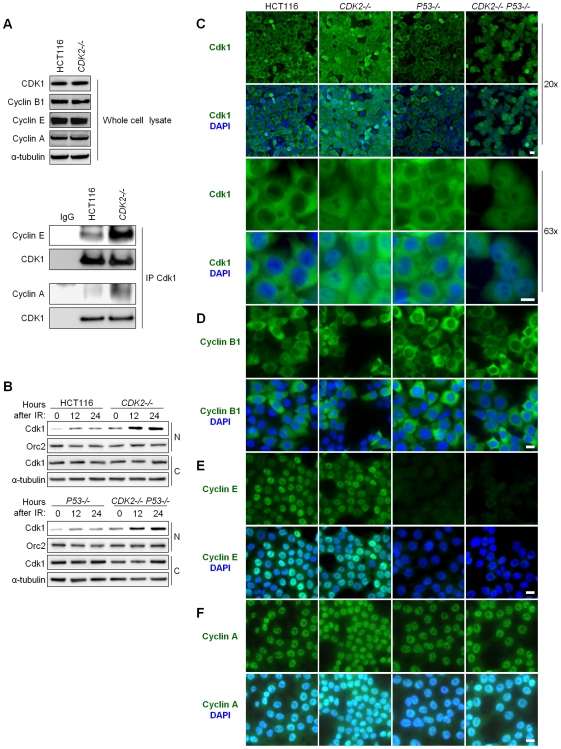
This programme examines the molecular circuitry that enforces G2/M arrest following DNA damage, with a focus on CDKs and checkpoint kinases. Using genetic knockouts and targeted perturbations, the lab defines which kinases are essential for checkpoint initiation and maintenance, and how their roles vary with p53 status.

Work here clarifies when CDK inhibition can synergise with DNA-damaging therapies, and identifies circumstances under which p53-defective cells rely on alternative checkpoint pathways—information that can inform combination strategies for therapy.

Open-access figures from PLoS Genetics (2010) demonstrating the requirement for CDK2 in p53-independent G2/M checkpoint control. (PMC2829054.)
03

Checkpoint kinase 1 (Chk1) functions beyond classical checkpoint control

Defining essential Chk1 functions uncoupled from checkpoint and replication control.

The group explores Chk1 biology using genetic separation-of-function approaches and molecular assays of replication dynamics. By isolating Chk1 activities required for viability from those that regulate checkpoint responses, the programme clarifies the mechanistic basis whereby Chk1 inhibitors exert cytotoxic effects.

These studies inform the rational use of Chk1-targeting agents in combination with DNA-damaging therapies and identify biomarkers that predict sensitivity or resistance to Chk1 pathway modulation.

PNAS (2008) open-access figures illustrating Chk1 separation-of-function experiments and replication assays. (PMC2634938.)
04

Cancer genetics, innate immunity loss and therapeutic vulnerabilities

Genetic alterations that shape tumour immune evasion and sensitivity to therapy.

This programme brings genetic screens, functional genomics and therapeutic tests together to identify how somatic alterations reprogramme tumour-intrinsic innate immunity and influence response to radiation and chemotherapy. The lab uses isogenic models and functional readouts to pinpoint genes and pathways with translational potential.

Integration of genetic findings with imaging and molecular phenotyping aims to prioritise candidates for follow-up in preclinical models and to propose rational combinations with DNA-damaging agents or targeted vectors for therapy.

Figures from PNAS (2009) showing genotype-dependent vulnerabilities and responses relevant to innate immunity and therapeutic strategy. (PMC2656188.)