Cancer genetics · DNA damage response · p53
Bunz Laboratory
Johns Hopkins UniversityWelcome to our lab
Bunz Laboratory (concept)
We study how genetic changes and DNA damage response pathways determine tumour behaviour and therapeutic response. Our approach integrates human genetics, imaging and functional assays to identify translational opportunities.
Principal investigator
Fred Bunz, M.D., Ph.D.
Associate Professor
Associate Professor of Radiation Oncology and Molecular Radiation Sciences at Johns Hopkins University. Director of the SKCCC Cell Imaging Core Facility; research in p53 biology and DNA damage responses.
PI profile →Programmes
What we study
01
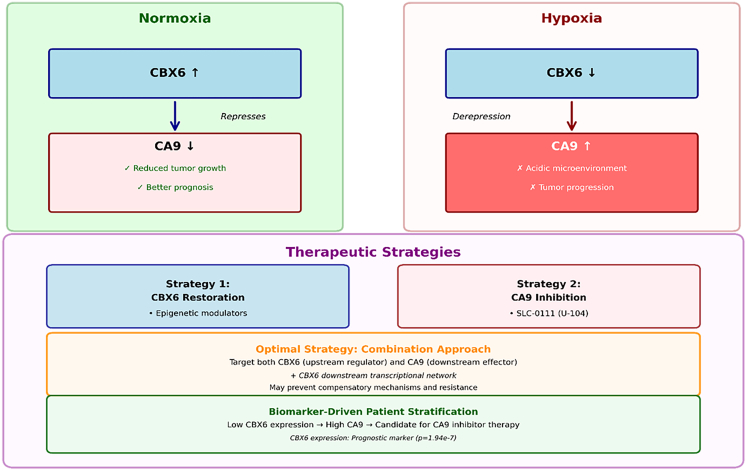
p53 transcriptional networks and downstream effectors
Dissecting how p53 controls target genes that determine cell fate and tumour behaviour.
02
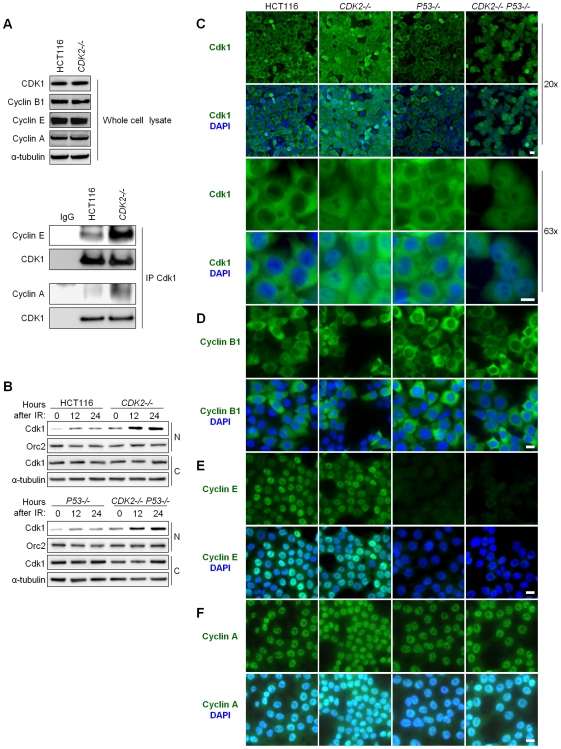
Checkpoint control and the non-redundant role of CDKs
Functional genetics of cell-cycle kinases that maintain G2/M arrest after DNA damage.
03
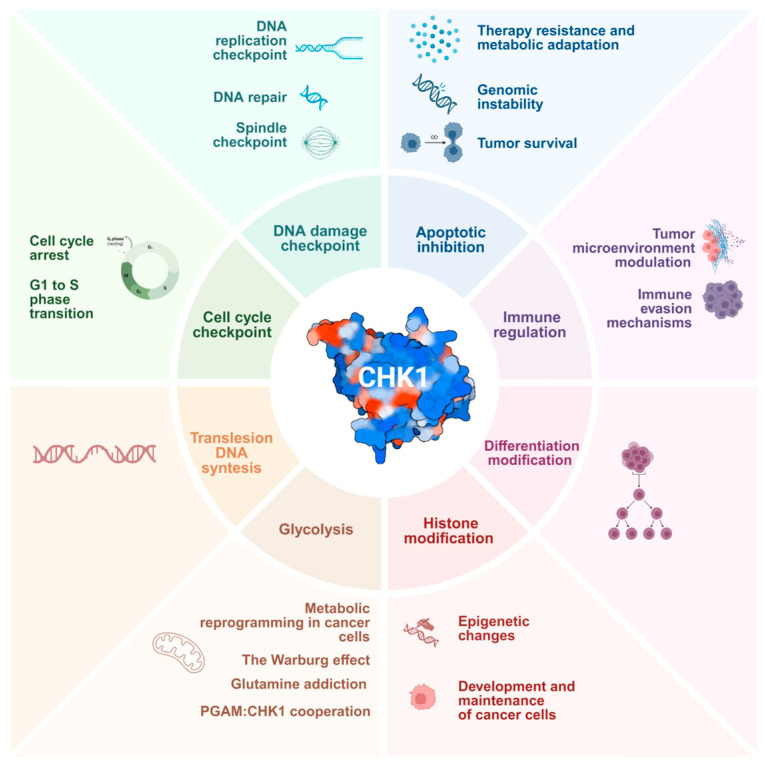
Checkpoint kinase 1 (Chk1) functions beyond classical checkpoint control
Defining essential Chk1 functions uncoupled from checkpoint and replication control.
04
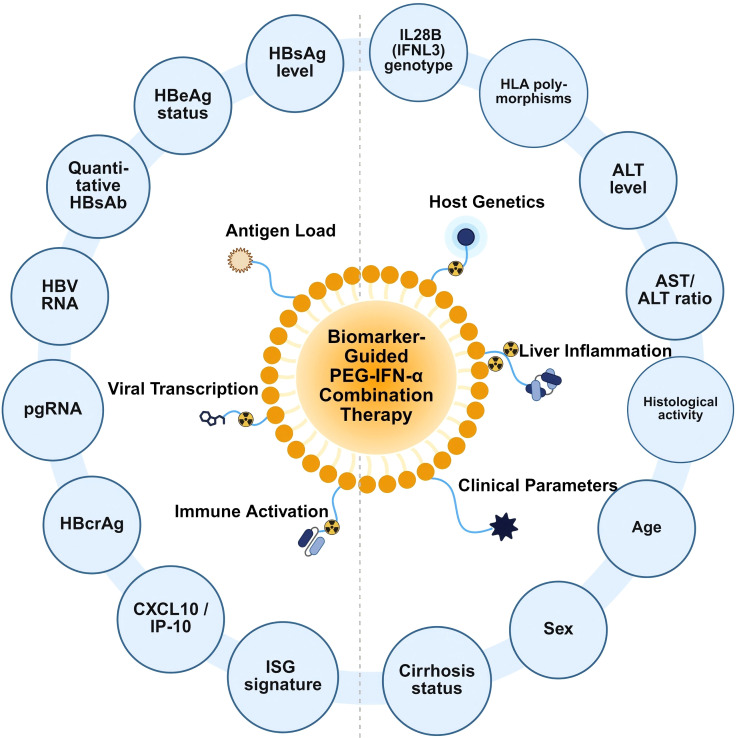
Cancer genetics, innate immunity loss and therapeutic vulnerabilities
Genetic alterations that shape tumour immune evasion and sensitivity to therapy.
Selected publications
Recent and defining work
2014↗2010↗2009↗2008↗1998↗
A PTCH1 homolog transcriptionally activated by p53 suppresses hedgehog signaling
J Biol Chem
Cdk2 is required for p53-independent G2/M checkpoint control
PLoS Genetics
A panel of isogenic human cancer cells suggests a therapeutic approach for cancers with inactivated p53
PNAS
Essential function of Chk1 can be uncoupled from DNA damage checkpoint and replication control
PNAS
Requirement for p53 and p21 to sustain G2 arrest after DNA damage
Science
Join